NeuroResidents
SAH Intubated
Impression:
Acute Subarachnoid Hemorrhage:
- Hunt and Hess: *** mFG: ***
- Day of admission: ***
- Etiology: ***
Plan:
Neurological:
- Neuro checks q1h
- Seizure, fall, aspiration precautions
- Head of bed at 30 degrees
- SBP goal 100-140 (aneurysm is not secured yet)
- Neurosurgery managing EVD
- CTH/CTA:
- No free water, mix everything in NS as this can worsen cerebral edema
- PT/OT consults initiated
- TCD will be done daily
- Meds:
Nimodipine 60mg PO q4h
Propofol at *** mcg/kg/h for sedation
Fentanyl at *** mcg/h for pain
___________________
Respiratory:
- On mechanical ventilation, mode ***
- Daily ABG
- Baseline CXR
- Suctioning q1-2 hours
- Meds:
Duonebs q4h
_______________________________________________
Cardiology:
- Continuous telemetry
- SBP goal 100-140 (source of bleeding is unsecured yet)
- TTE for baseline EF (to guide IVF, cardene and pressor therapy if required)
- Meds:
Nicardipine drip (target SBP < 140)
Labetalol 10mg IV q4h prn
________________________________________________
Renal:
- Renal function normal
- Monitor daily electrolytes
- Foley with temperature probe for strict I&O monitoring
- Avoid hypotonic fluids as this can worsen cerebral edema
- Meds:
NS @ 75ml/h
_______________________________________________
Gastrointestinal:
- NPO
- Place Dobhoff tube for medication/nutrition; Abdominal X-ray to confirm placement ordered
- Start tube feeding with Peptamen 1.5 @ 10cc/hr and titrate to goal 50cc/hr as tolerated
- Hold TF for residuals > 300
- Last BM: unknown
- Meds:
1. Docusate 100 mg PO TID
2. Pantoprazole 40mg tab daily
________________________________________________
Endocrinology:
- FSBS q6hr while NPO/TF
- Check HgbA1c, TSH
- Meds:
Insulin SS q6h while NPO then ACHS
Hypoglycemia protocol
________________________________________________
Hematology:
- Monitor CBC daily
- SCDs for prophylaxis; no heparins given acute subarachnoid bleed
- Meds:
None
________________________________________________
Infectious Disease:
- Current access: PIVs (placed), will place PICC line
- Keep normothermic
- Meds:
1. APAP 500mg q6hr PRN for fever >38.3
_______________________________________________
Prophylaxis:
DVT: SCDs, no anticoagulation in the setting of recent subarachnoid bleed
GI: Pantoprazole, docusate
________________________________________________
Consults:
Neurointervention
Neurosurgery
Physical therapy
Occupational therapy
Nutrition
Case Management
________________________________________________
Discharge Planning:
Patient requires ICU level of care for monitoring of potential complications of SAH (rebleeding, vasospasm, hydrocephalus)
.
------------------------------------------------------------------------------------
Notes:
Complications of aSAH:
- Rebleeding: Rebreeding occur in 4:14% of patients with aSAH. Maximum risk is mainly in first 12 hours (third of rebreeds occur in first 2 hours, hand of rebreeds occur in first 6 hours).
- Vasospasm: Occurs in 70% of patients. It can occur any time within first 21 days after onset however peak window is between 7-21 day. Incidence of ischemia after angiographically-seen vasospasm is 50%.
- DCI (delayed cerebral ischemia): occurs in 30% of patients. Although most DCI is caused by vasospasm, a large set of patients develop DCI in absence of vasospasm. Postulated etiologies for non-vasospasm DCI include early brain injury (EBI), microcirculatory dysfunction with loss of autoregulation, cortical spreading depolarization (CSD), and microthrombosis. Only nimodipine shown to prevent against DCI.
- Hydrocephalus: 20-30% of aSAH patients develop hydrocephalus which can be acute (within 3 days) or chronic (after weeks or months).
Grading Scales:
Hunt and Hiss:
-
Mild Headache, Alert and Oriented, Minimal (if any) Nuchal Rigidity
-
Full Nuchal Rigidity, Moderate-Severe Headache, Alert and Oriented, No Neuro Deficit (Besides 6th CN Palsy)
-
Lethargy or Confusion, Mild Focal Neurological Deficits
-
Stuporous, More Severe Focal Deficit
-
Comatose, showing signs of severe neurological impairment (ex: posturing)
Related Templates
SAH Not Intubated
ICU template for awake SAH patients with Nimodipine, blood-pressure goals, and TCD workflow.
Open Section
ICH Intubated
Critical-care template for intubated intracerebral hemorrhage patients.
Open SectionICH Not Intubated
ICU template for non-intubated ICH patients requiring close neurocritical care monitoring.
Open Section
Status Epilepticus
Burst-suppression ICU template plus a downloadable step-by-step protocol sheet.
Open Section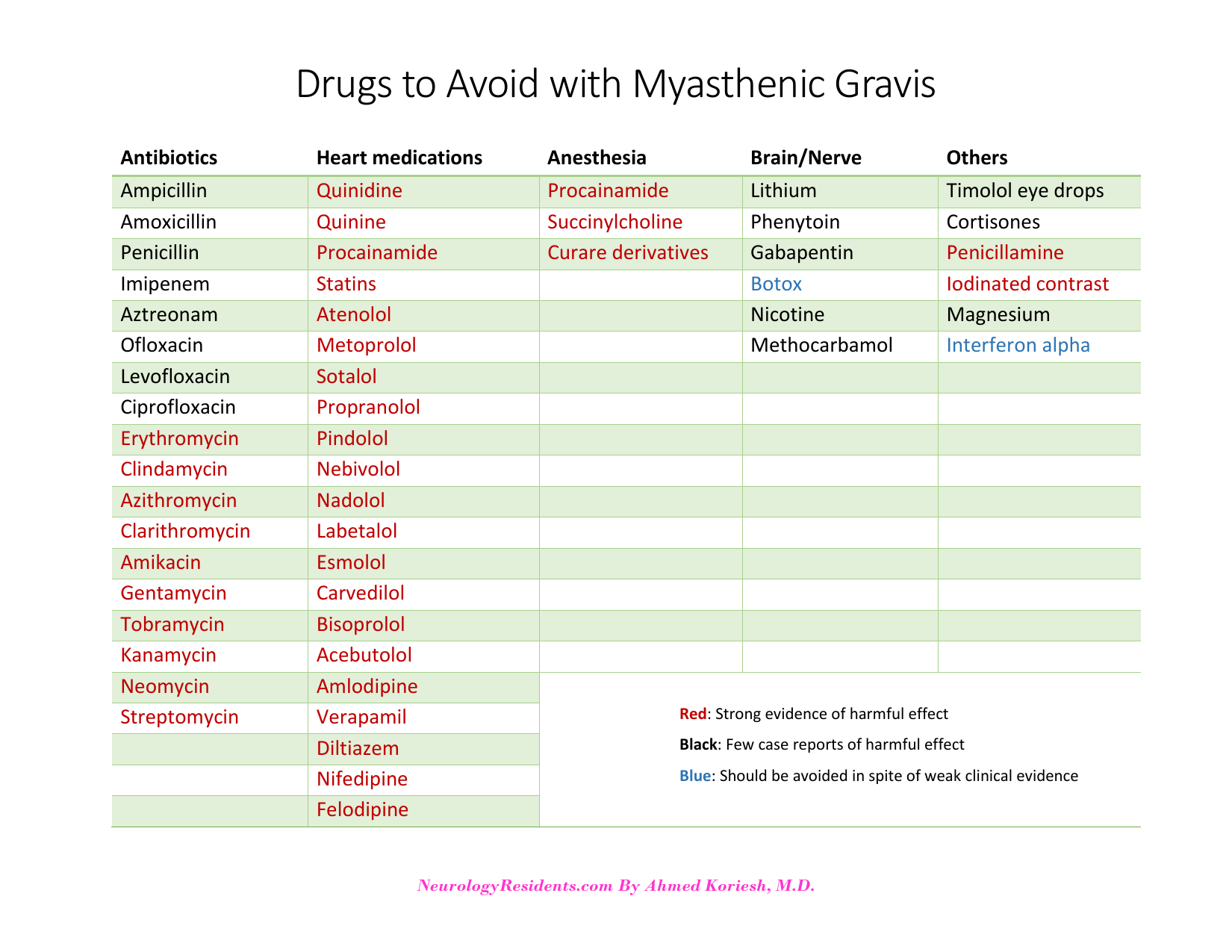
Myasthenic Crisis
ICU note template with respiratory metrics, contraindicated medications, and support thresholds.
Open Section
Ischemic Stroke after IVT/EVT
Neuro-ICU note template for reperfused ischemic stroke patients after intervention.
Open Section