Neurology, distilled.
Landmark trials with structured baseline tables. Real-world cases with discussion. Specialty references, board prep, and a journal-club reading list — built and maintained by clinicians, free for the community.
Everything a neurologist needs, in one place.
Each section is built around clinical workflow — references for service, prep for boards, discussion for tough cases, and the evidence base behind every decision.
 NeuroTrials
Search 850+ landmark trials with structured baseline tables, exclusion criteria, and AI-assisted summaries.
Search trials → NeuroWiki
Specialty reference pages — pathophysiology, diagnostic frameworks, and evidence-based management, curated by clinicians.
Open the wiki → NeuroResidents
On-call templates, neuro-exam frameworks, summaries, and clinical pearls organised by rotation.
Open the resident library → NeuroJournal
Curated reading list. New articles from JAMA Neurology, Stroke, Neurology, and Lancet Neurology — distilled into 5-minute summaries.
Browse the journal → NeuroBoards
Practice questions, flashcards, study notes, and progress tracking — for RITE, boards, and continuing education.
Start prep →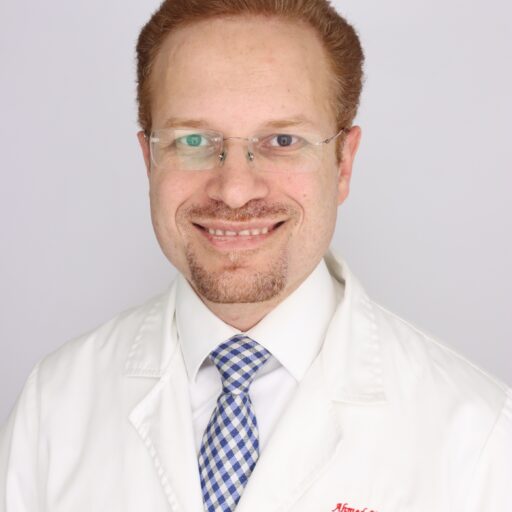 NeuroCasesNEW
Members share real-world cases with images, polls, and discussion. Vote on next steps, learn from outcomes, build the community.
Browse cases →Recently added trials
The most recent landmark trials reviewed across all 9 specialties — structured summaries, baseline tables, and exclusion criteria.
In adolescents and adults with migraine or primary headache, does higher digital screen exposure increase headache burden compared with lower exposure?
Higher screen exposure raised odds of migraine/headache: pooled OR 1.60 (95% CI 1.38–1.86, p<0.001) from 10 studies (N=11,218), I2=60%.
View Summary →In adults with focal or multifocal drug-resistant epilepsy who had failed vagus nerve stimulation, does bilateral deep brain stimulation of the anterior nucleus of the thalamus (ANT-DBS) reduce severe seizure frequency at 12 months compared with continued best medical treatment (BMT, including VNS)?
Primary endpoint (≥50% severe-seizure reduction at 12 months) was not met: 44.83% (13/29) DBS vs 26.67% (8/30) BMT, p=.14; median seizure change −44% vs −6%, p=.09.
View Summary →Test whether a single donor-derived fecal microbiota transplant (Mbiotix) via colonoscopy improves 12-month motor symptoms in Parkinson disease vs autologous-stool placebo FMT.
Primary endpoint negative: MDS-UPDRS III “OFF” change at 12 mo — between-group difference 1.50 points (95% CI −4.28 to 7.28, p=1.00).
View Summary →To systematically evaluate the efficacy and safety of perampanel in patients with brain tumor-related epilepsy (BTRE), focusing on seizure control, oncologic outcomes, and tolerability.
Pooled seizure freedom achieved in 42% of patients (95% CI 27%–59%; I²=65.7%)
View Summary →To evaluate whether adjunctive soticlestat reduces convulsive seizure frequency vs placebo in children and young adults (2-21 y) with Dravet syndrome and treatment-resistant convulsive seizures.
Primary endpoint missed: convulsive seizure frequency fell 22.16% with soticlestat vs 8.64% with placebo (diff -15.64%, 95% CI -31.30 to 0.24, p=0.061).
View Summary →Test whether individualized blood pressure control (MAP within 10% of the reference MAP measured before thrombectomy) improves 90-day functional outcome versus standard BP control (SBP 140-180 mm Hg) during mechanical thrombectomy for acute ischemic stroke due to anterior large vessel occlusion.
Primary — mRS 0-2 at 90 days: 44.2% (94/214) individualized vs 48.8% (106/218) standard; adjusted OR 0.82 (95% CI 0.54-1.24), p = 0.34.
View Summary →In adults with acute ischemic stroke presenting >4.5 hours from last known well, does IV thrombolysis (alteplase or tenecteplase) added to best medical therapy improve 90-day functional outcomes and safety compared with best medical therapy alone?
mRS 0–1 at 90 d: 980/2,439 (40.2%) IVT vs 780/2,400 (32.5%) BMT; RR 1.23 (95% CI 1.15–1.33; p<0.01; I²=0%); NNT=13.
View Summary →Compare the effect of rituximab on time to first relapse with ravulizumab, eculizumab, inebilizumab, and satralizumab in patients with AQP4-IgG-positive neuromyelitis optica spectrum disorder (NMOSD) using a network meta-analysis of randomized and open-label trials.
Time to first relapse (combination±IST): rituximab HR 5.00 (0.25–101.01) vs ravulizumab, 1.17 (0.12–10.89) vs eculizumab, 0.29 (0.04–2.23) vs satralizumab; all NS.
View Summary →NeuroJournal — this week's picks
High-yield new articles from JAMA Neurology, Stroke, Neurology, and Lancet Neurology — distilled into 5-minute summaries.

PACAP is the most clinically advanced new migraine pathway since CGRP. After the failure of receptor blockade — and one anti-PACAP antibody — bocunebart has two positive phase 2 trials.…

A critical appraisal of the proposed corrections to the 2026 AHA/ASA acute ischemic stroke guideline — and why, once a disabling deficit is present, plain CT is enough to act.
A practical review for general neurologists, neurohospitalists and stroke physicians: diagnosing CAA by the Boston criteria 2.0, and recognizing and treating ARIA, CAA-related inflammation and Aβ-related angiitis.

A practical, evidence-based review for the general neurologist: plasma p-tau217, the orderable assays, interpretation, when CSF/PET is still needed, anti-amyloid integration, confounders, and future directions.
The first randomized head-to-head trial finds rituximab noninferior to IV ocrelizumab for MRI disease control in newly diagnosed relapsing MS — at roughly one-sixth the price. Where each anti-CD20 antibody…
The EU approved tolebrutinib (Cenrifki) as the first drug to slow disability in non-relapsing secondary progressive MS while the FDA rejected it over severe liver injury — a look at…
A staged, evidence-based framework for Parkinson's treatment: when to start levodopa, how to manage motor fluctuations and dyskinesia, and when and how to choose among the three advanced modalities —…
This week's wiki picks
A rotating set of reference pages across specialties — pathophysiology, diagnostic frameworks, and management. New picks every week.
Idiopathic Intracranial Hypertension: Diagnosis & Clinical Features Idiopathic intracranial hypertension (IIH) is a condition of elevated intracranial pressure (ICP) of unknown etiology, occurring most commonly in young women with obesity. Previously termed…
Read Full Article →Aneurysm Securing After SAH: Clipping vs. Coiling Early aneurysm securing is the single most impactful intervention in aneurysmal subarachnoid hemorrhage (aSAH). Without treatment, the risk of rebleeding is approximately 4% on day…
Read Full Article →2021 AHA/ASA Secondary Stroke Prevention Guideline Summary This is a condensed summary of the 2021 Guideline for the Prevention of Stroke in Patients With Stroke and Transient Ischemic Attack (Kleindorfer et al.).…
Read Full Article →CSF analysis is among the most clinically informative tests in neurology because each disease leaves a recognizable fingerprint — bacterial meningitis with polymorphonuclear pleocytosis and low glucose; viral encephalitis with lymphocytic pleocytosis;…
Read Full Article →The visual pathway from retina to occipital cortex is one of the longest, most anatomically distributed routes in the nervous system. A lesion anywhere along its course produces a visual field defect…
Read Full Article →MDS Diagnostic Criteria: PD, MSA & PSP This article summarizes the current International Parkinson and Movement Disorder Society (MDS) diagnostic criteria for three major parkinsonian syndromes: Parkinson's disease (Postuma et al., 2015),…
Read Full Article →The spinal cord transmits information up to the brain and down from it through a small number of named tracts running in defined columns of white matter. Each tract carries a specific…
Read Full Article →Recent NeuroCases
Cases shared by members — discuss, vote, learn from outcomes.
Ahmed Koriesh · 3 months ago
76F, baseline mRS 1, AF on sub-therapeutic warfarin, global aphasia with R-sided hemiplegia. NCCT ASPECTS 3, left M1 occlusion, LKW 15 h ago. Late window — pull straight to angio or get CTP first?
Ahmed Koriesh · 3 months ago
62F on apixaban, aphasia LKW Tuesday 6 PM, worsened Wednesday noon (18h). NIHSS 16, M3 anterior division occlusion, favorable mismatch. Late window — what do you do?
YOUR TURN Post a Case Share your case. Let the community help with decision-making. Sign in to postOpen library. Closed community.
Anyone can read. Members — verified clinicians and trainees — can post cases, comment, vote, and contribute to the wiki. No ads. No paywalls.
Every trial summary, wiki page, case, and journal article is open — no signup required.
Free registration for clinicians and trainees. Post cases, comment, vote in polls, add wiki content.
Your name, photo, position, and institution appear on everything you contribute — build your clinical brand.
Built by clinicians. Maintained by the community.
Founded and maintained by Dr. Ahmed Koriesh, Stroke Director at Cleveland Clinic Florida. Powered by 730 clinician members who contribute, vet, and discuss.